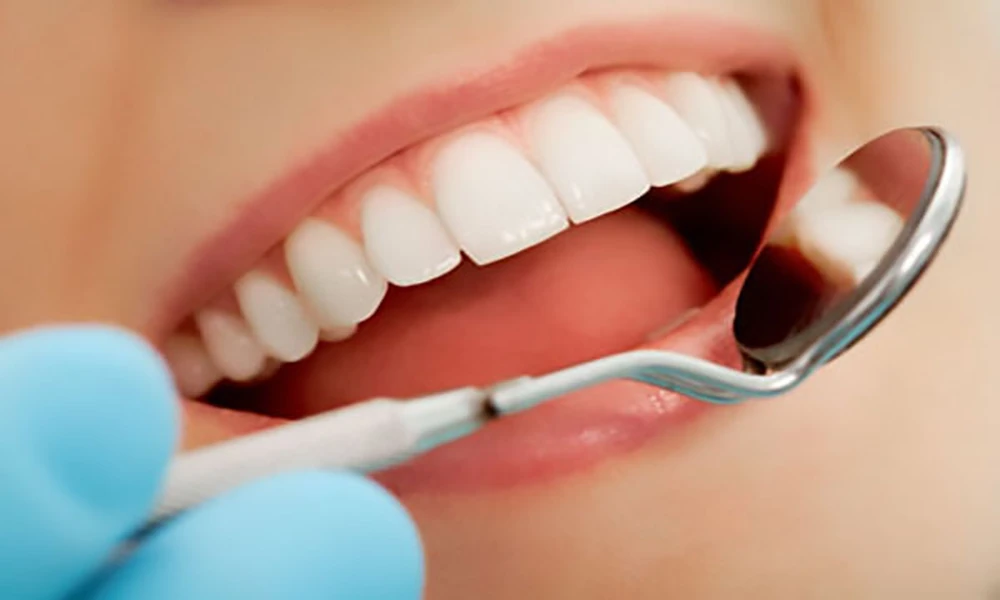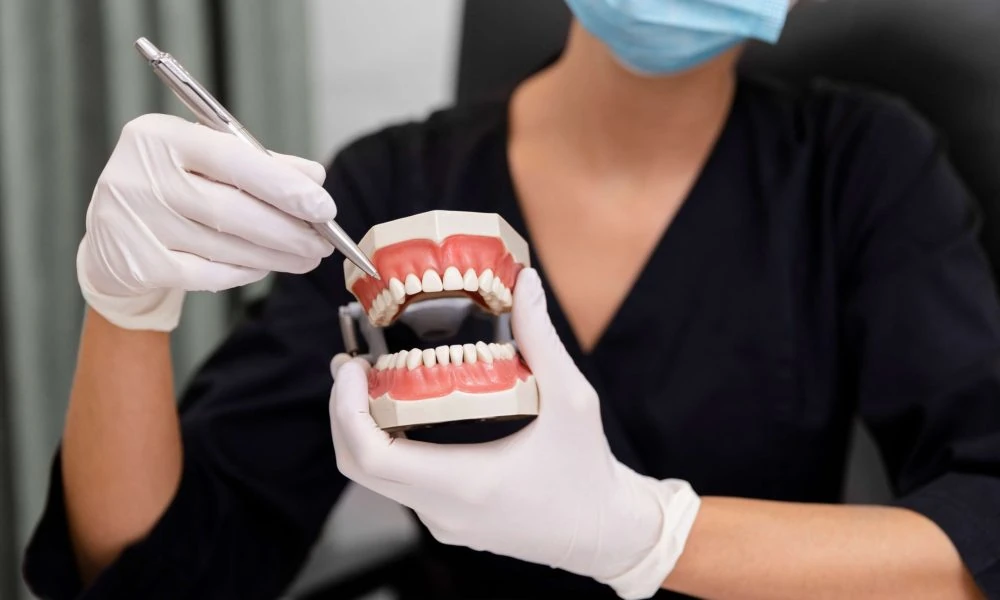
Eating, speaking and smiling When individuals have lost the majority of their teeth or when they have lost all of their teeth, the restoration of the teeth on a full arch can help to alter the way such individuals eat, speak and smile. The gums and jawbone state are very significant in dictating the optimal course of action. These aspects can be learned to allow the patients make the correct choices regarding their oral health and long-term dental functionality.
Knowing When Full Arch Restoration Is Required
Full arch restoration covers those patients who should restore a full row of upper jaw or lower jaw teeth. It could be appropriate in those individuals with numerous tooth loss or a few teeth that is severely damaged and are unable to be salvaged. The initial assessment at Hover Dental Group assists to reveal whether this treatment suits the patients’ dental requirements. The dentist analyzes the presence of teeth and the analysis of the surrounding tissues in order to detect possible troubles. This evaluation is also useful in determining whether the use of implant-supported restorations may have a durable and functioning solution to the missing teeth.
Health and Healing General Ability
The other factor of importance in determining whether someone is qualifying or not is their overall health. The treatment plan may be affected by conditions which impact on healing process or bone metabolism. Some drugs and lifestyles like smoking can even make the risk of complications higher. During consultation, patients who are thinking of a full arch restoration in Longmont are to discuss his or her medical history and existing prescription. Hover Dental Group is able to assess these personal factors and how they can impact on the healing of implants. Follow-up appointments and good oral hygiene are crucial to preventive maintenance of the restoration.
Bite Alignment and Left Teeth
The manner in which the upper and the lower jaw convene may determine the effectiveness of full arch treatment. The irregular bite can exert undue stress either on the implants or the final restoration. Dentists also test the movement of the jaw and pinpoint bad habits like teeth grinding that may cause excessive forces. Dental imaging and clinical checks assist the dental team to prepare implant positions and create a restoration which helps to produce comfortable chewing and equal functioning.
Moving on the Next Step Towards Restoration
Its candidates are usually the ones who are in a condition of oral health and medical condition that enables safe treatment to be done. Hover Dental Group will be able to educate patients about the treatment options and the care they need after restoration. Properly planned and continued professional care can provide better comfort and new confidence to individuals with massive tooth losses under an expansion of the tooth arch.