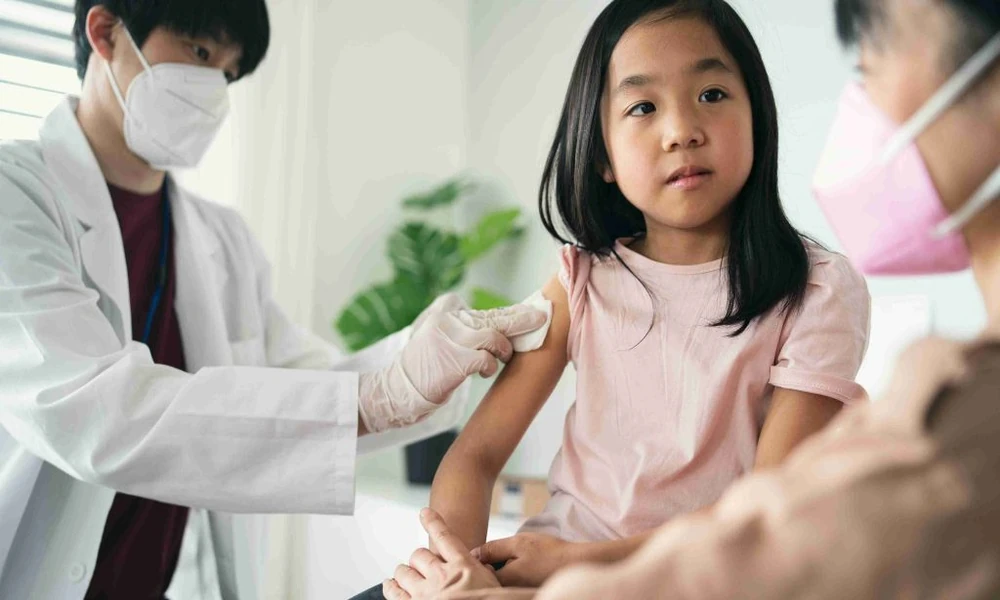
Vaccinations are a crucial part of safeguarding children’s health, protecting them from preventable diseases, and supporting overall public health. In Singapore, the National Childhood Immunisation Schedule (NCIS) provides a structured vaccination program designed to protect children from a variety of infectious diseases. Understanding children’s NCIS immunizations and the necessary post-vaccination care is essential for parents and caregivers to ensure both effectiveness and safety.
What Are Children NCIS Vaccinations?
NCIS vaccinations for children are part of the government-recommended immunisation schedule in Singapore, aimed at preventing serious illnesses such as measles, mumps, rubella, polio, hepatitis B, and influenza. These vaccines are administered at specific ages to ensure optimal protection during a child’s development.
The NCIS is carefully designed based on scientific evidence and expert guidance, ensuring that children receive the right vaccine at the right time. Some vaccines require multiple doses to build full immunity, while others are booster shots to maintain protection over time. By adhering to the NCIS, parents help children develop strong defenses against potentially life-threatening diseases.
Healthcare providers play a key role in explaining the benefits, timing, and potential side effects of each vaccine. This information empowers parents to make informed decisions about their child’s health.
Preparing Your Child for Vaccination
Preparing children for their NCIS vaccinations can make the experience smoother for both the child and caregiver. Explaining the process in simple terms, offering comfort, and providing distraction techniques like storytelling or toys can reduce anxiety.
Parents should also ensure that their child is well-rested and nourished before the appointment. Checking with the healthcare provider about any pre-existing conditions or previous allergic reactions is important to prevent complications. In some cases, mild fever or minor illnesses may require rescheduling the vaccination, so staying informed and proactive helps ensure safety.
What to Expect After Vaccination
After children NCIS vaccinations, mild side effects are common and usually resolve on their own. These may include redness or swelling at the injection site, low-grade fever, or irritability. Understanding these normal responses helps parents avoid unnecessary worry.
Monitoring your child for the first 24-48 hours is essential. Applying a cool compress to the injection site or giving age-appropriate pain relievers, if recommended by the healthcare provider, can help manage discomfort. Most children recover quickly and continue to develop immunity without complications.
Healthcare providers also provide vaccination records that track the child’s immunisation history, ensuring that all required doses are completed on schedule. Keeping this record updated is crucial for school enrollment and future medical care.
When to Seek Medical Attention
While serious side effects from children NCIS vaccinations are rare, parents should be aware of signs that require medical attention. Severe allergic reactions, high fever, prolonged inconsolable crying, or unusual behavior warrant immediate consultation with a healthcare provider.
Parents should contact their doctor or visit the nearest clinic if symptoms persist or worsen. Prompt action ensures that any potential complications are addressed quickly, keeping children safe and healthy.
Supporting Your Child’s Health Post-Vaccination
Post-vaccination care goes beyond managing side effects. Encouraging rest, hydration, and a balanced diet supports the child’s immune system as it builds protection. Comfort measures, reassurance, and attention help children feel secure and reduce anxiety about future vaccinations.
Parents can also maintain open communication with healthcare providers, asking questions about upcoming doses or any concerns about their child’s reaction to previous vaccinations. By staying informed and proactive, parents contribute significantly to the effectiveness of children’s NCIS vaccinations.
The Importance of Completing the Vaccination Schedule
Completing all recommended doses is critical to ensuring long-term protection. Some vaccines provide only partial immunity if doses are skipped or delayed, leaving children vulnerable to disease. Following the NCIS schedule allows children to build strong, lasting immunity.
Furthermore, widespread adherence to the NCIS helps maintain herd immunity within the community. This reduces the risk of outbreaks and protects vulnerable populations who cannot be vaccinated due to medical reasons.
Conclusion
Children NCIS vaccinations play a vital role in preventing serious childhood illnesses and supporting lifelong health. Understanding the vaccines, preparing for the process, and providing proper post-vaccination care ensures children remain safe and protected. By staying informed, adhering to the NCIS schedule, and monitoring for side effects, parents and caregivers contribute to a healthier future for their children and the wider community.
Proper vaccination and post-care are essential components of preventive health, reinforcing the importance of following the NCIS and maintaining an active partnership with healthcare providers. With consistent attention to these steps, children can grow strong, healthy, and protected against preventable diseases.