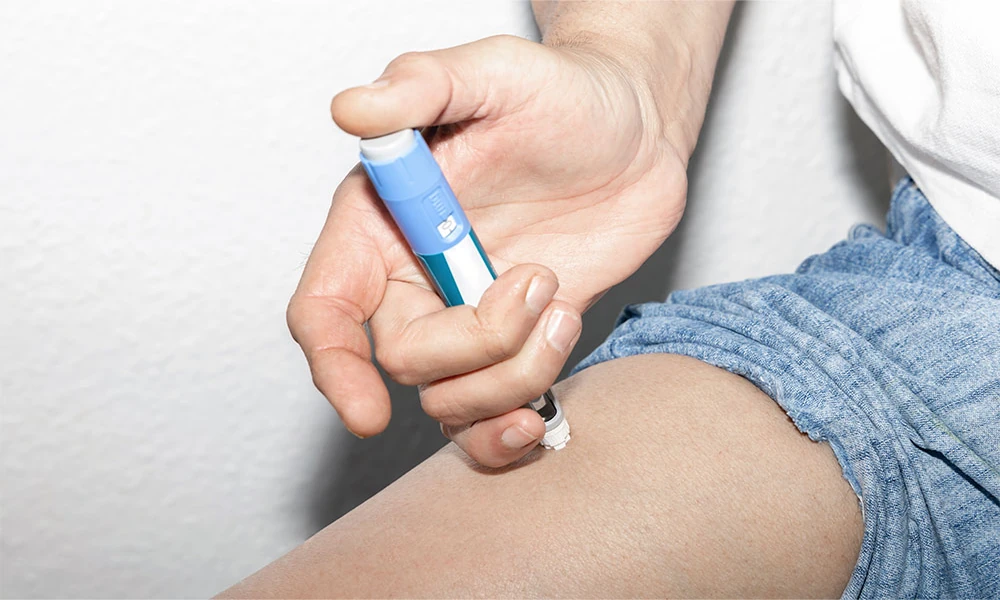
Weight loss injections can help you lose weight safely when paired with healthy habits. Learn benefits, risks, costs, and who should consider them.
Weight loss injections can be an effective option for people struggling with obesity or excess weight, especially when diet and exercise alone haven’t worked. These prescription medications reduce appetite, improve blood sugar control, and support long-term weight management when combined with healthy lifestyle changes and medical supervision.
Have you ever wondered why some people seem to lose weight successfully despite trying the same diets you’ve tried for years? The answer may not be about willpower at all. In many cases, hormones, metabolism, and underlying health conditions play a much bigger role than most people realize.
If you’ve been battling stubborn weight, weight loss injections may be worth considering. These medications are designed to help control hunger, reduce cravings, and make it easier to stick to a healthy eating plan. They are not miracle cures, but they can be powerful tools when combined with balanced nutrition, regular exercise, and consistent medical guidance. The key is understanding how they work and whether they’re the right fit for your health goals. 💙
💉 What Are Weight Loss Injections?
Weight loss injections are prescription medications that help people lose excess body weight by targeting the body’s natural appetite and metabolism signals. Unlike many over-the-counter supplements, these medications are backed by clinical research and approved for specific medical uses. They work alongside healthy lifestyle habits instead of replacing them. For many adults, they offer a new path after years of unsuccessful dieting.
Most modern weight loss injections belong to a class of medications called GLP-1 receptor agonists or dual hormone agonists. These drugs mimic hormones naturally produced in your digestive system. As a result, you feel full sooner, stay satisfied longer, and eat fewer calories without feeling deprived. This hormonal support helps create sustainable weight loss rather than quick, temporary results.
Doctors usually prescribe these injections for people with obesity or those who are overweight and also have weight-related medical conditions. Every treatment plan is personalized because no two people have the same health history or goals. Regular follow-up visits help ensure the medication remains safe and effective. 📋
Many patients notice gradual improvements instead of dramatic overnight changes. This steady pace often leads to healthier habits and better long-term success. Combined with nutritious meals and physical activity, these medications can become an important part of comprehensive weight management.
The growing popularity of these treatments reflects increasing recognition that obesity is a complex medical condition rather than simply a lack of discipline. Modern medicine now offers solutions that address the biological factors influencing hunger and weight gain.
Many people begin their search online using phrases like weight loss injections near me because they want trusted medical providers close to home. Choosing a licensed clinic is important since these medications require a prescription, proper evaluation, and ongoing monitoring. A qualified healthcare professional can explain your options, discuss your medical history, and determine whether you’re a good candidate before treatment begins.
Another common search is tirzepatide near me, especially among people interested in one of the newest prescription weight management medications. Finding a reputable provider ensures you receive authentic medication, individualized dosing, and regular follow-up appointments. Instead of relying on advertisements alone, focus on experienced medical practices that emphasize long-term health, education, and patient safety.
🩺 How Do Weight Loss Injections Work?
Weight loss injections work by communicating with the brain areas responsible for hunger and fullness. They slow the movement of food through your stomach, allowing you to feel satisfied after eating smaller portions. This natural effect makes it easier to reduce calorie intake without constantly battling hunger. Over time, consistent calorie reduction leads to gradual weight loss.
These medications also influence blood sugar regulation. Stable blood sugar levels help reduce energy crashes and sudden cravings for sugary foods. Many patients notice they snack less throughout the day because they remain satisfied longer after meals. That combination can significantly improve eating habits.
Another benefit involves reducing “food noise,” a phrase many patients use to describe constant thoughts about eating. Instead of thinking about food all day, people often find it easier to focus on work, family, hobbies, and exercise. This mental shift can be just as valuable as the physical changes.
However, these medications perform best when paired with healthy choices. They help support your efforts rather than doing all the work. A balanced diet, regular movement, quality sleep, and stress management remain essential parts of successful long-term weight loss.
Here is a simple comparison of how these medications influence the body:
| Body Function | Effect of Weight Loss Injections |
| Appetite | Reduces hunger naturally |
| Fullness | Helps you stay full longer |
| Digestion | Slows stomach emptying |
| Blood Sugar | Improves glucose regulation |
| Food Cravings | Decreases frequent cravings |
| Calorie Intake | Makes eating smaller portions easier |
🌟 Why Are Weight Loss Injections Becoming So Popular?
Weight loss injections have gained widespread attention because many people achieve meaningful results that were difficult to reach with diet alone. Unlike fad diets that often fail within months, these medications support gradual and sustainable changes. Success stories shared by patients have also increased public awareness.
Another reason is the growing understanding of obesity as a medical condition. Healthcare professionals now recognize that hormones, genetics, medications, stress, and metabolism all influence body weight. Treating these biological factors can improve outcomes far beyond traditional dieting methods.
Social media has also played a role in increasing interest. Celebrities and public figures have openly discussed their experiences, making more people curious about prescription weight loss options. While these stories generate excitement, medical guidance remains more important than online trends.
Employers and insurance providers are beginning to recognize the long-term health benefits of effective weight management. Reducing obesity may lower the risk of chronic illnesses, improve workplace productivity, and decrease future healthcare costs. These broader benefits continue driving demand.
Perhaps the biggest reason for their popularity is hope. After years of frustration, many people finally feel they have another scientifically supported option that works with their body’s biology instead of fighting against it. ✨
✅ Who Is A Good Candidate For Weight Loss Injections?
Not everyone needs prescription weight loss medication. Doctors typically recommend these injections for adults with a Body Mass Index (BMI) of 30 or higher. They may also be appropriate for individuals with a BMI of 27 or higher who have health conditions linked to excess weight.
Several medical conditions can make someone a stronger candidate. These include:
- Type 2 diabetes
- High blood pressure
- Sleep apnea
- High cholesterol
- Heart disease risk
- Fatty liver disease
Before prescribing medication, your healthcare provider reviews your complete medical history. They may ask about previous weight loss attempts, medications, family history, allergies, and lifestyle habits. Blood work and other health screenings are often part of the evaluation process.
Pregnant women and people with certain medical conditions may not qualify for these medications. Safety always comes first, which is why honest communication with your healthcare provider is essential. Never begin treatment without professional guidance.
It’s also important to have realistic expectations. Weight loss injections support gradual progress rather than overnight transformation. Patients who remain committed to healthy habits generally experience the best long-term results.
📋 Types Of Weight Loss Injections Available
Today’s prescription options include several medications that work in slightly different ways. Your doctor recommends one based on your medical history, treatment goals, insurance coverage, and overall health profile. Some medications have been available for years, while others represent newer advances in obesity treatment.
Here is a helpful comparison:
| Medication Type | Primary Benefit | Typical Use |
| GLP-1 Agonists | Appetite control | Weight management |
| Dual GLP-1/GIP Agonists | Greater appetite reduction | Weight management and diabetes |
| Lipotropic Injections | Nutrient support | Wellness programs |
| Vitamin B12 Injections | Energy support | Deficiency treatment |
Among prescription options, semaglutide and tirzepatide have become especially well known because of their impressive clinical results. Both help reduce appetite and improve blood sugar control, although they work slightly differently. Your healthcare provider can explain which option best fits your medical needs.
It’s important to remember that not every injection marketed for weight loss has the same scientific evidence. Prescription medications undergo extensive clinical testing before approval. Wellness injections sold without medical oversight may not provide comparable results.
Your treatment plan should always include education, nutrition counseling, and regular follow-up appointments. Medication alone is only one part of achieving and maintaining a healthier weight over the long term. 🌱
⚖️ Benefits Of Weight Loss Injections
Weight loss injections have changed the way many people approach obesity treatment. Instead of relying only on calorie counting, these medications help address the biological factors that influence hunger and fullness. That makes healthy eating feel more natural rather than like a constant struggle. When combined with lifestyle changes, they can produce meaningful, long-term results.
One of the biggest advantages is steady, sustainable weight loss. Most people lose weight gradually over several months, giving the body time to adjust. Slow progress often makes it easier to maintain results compared to crash diets. This approach also supports healthier habits that last beyond the treatment period.
Many patients report improvements that go far beyond the number on the scale. Losing excess weight can increase energy, improve mobility, and make everyday activities easier. Even climbing stairs or playing with children may become more comfortable and enjoyable. 😊
Clinical studies have also shown improvements in several health markers. Many people experience better blood sugar control, healthier cholesterol levels, and lower blood pressure. These changes can reduce the risk of serious chronic diseases over time.
Perhaps the greatest benefit is renewed confidence. Achieving realistic weight-loss goals often motivates people to continue exercising, making nutritious food choices, and prioritizing their overall well-being.
Common Benefits Include:
- ✔️ Reduced appetite
- ✔️ Fewer food cravings
- ✔️ Improved blood sugar control
- ✔️ Better portion control
- ✔️ Increased energy
- ✔️ Lower risk of obesity-related illnesses
- ✔️ Improved confidence and self-esteem
⚠️ Possible Side Effects And Risks
Like all prescription medications, weight loss injections may cause side effects. Fortunately, many are mild and improve as the body adjusts to treatment. Your healthcare provider will explain what to expect before you begin. Knowing the potential risks helps you make an informed decision.
Digestive symptoms are the most common side effects. Some people experience nausea, vomiting, diarrhea, constipation, or stomach discomfort during the first few weeks. These symptoms often become less noticeable as treatment continues. Eating smaller meals and staying hydrated may help reduce discomfort.
Some patients notice temporary fatigue or mild dizziness. These symptoms can occur if calorie intake drops significantly or if the body is adapting to the medication. Monitoring your nutrition and following your provider’s recommendations can help minimize these issues.
Although uncommon, more serious side effects are possible. Severe abdominal pain, allergic reactions, or persistent vomiting require immediate medical attention. This is why regular follow-up appointments are so important throughout treatment.
Always tell your healthcare provider about every medication and supplement you take. Certain medical conditions or drug interactions may affect whether these injections are appropriate for you.
| Common Side Effects | Less Common Risks |
| Nausea | Gallbladder problems |
| Constipation | Pancreatitis |
| Diarrhea | Severe allergic reaction |
| Stomach upset | Dehydration |
| Reduced appetite | Persistent vomiting |
| Mild fatigue | Kidney complications |
🥗 Healthy Habits Still Matter
Some people assume weight loss injections eliminate the need for healthy eating. In reality, the medication works best when paired with nutritious meals and regular physical activity. Think of it as a helpful tool-not a replacement for healthy habits.
A balanced diet provides the vitamins, minerals, protein, and fiber your body needs. Since these medications reduce appetite, every meal becomes more important. Choosing nutrient-rich foods helps prevent deficiencies while supporting muscle maintenance during weight loss.
Exercise also plays a major role in long-term success. Walking, strength training, cycling, swimming, or yoga all help burn calories and improve overall fitness. Physical activity supports heart health while preserving lean muscle mass.
Good sleep and stress management deserve equal attention. Poor sleep can increase hunger hormones, while chronic stress may trigger emotional eating. Developing healthy daily routines creates a stronger foundation for lasting weight management.
“Medication opens the door, but healthy habits help you stay on the path.” 🌿
💰 How Much Do Weight Loss Injections Cost?
The cost of weight loss injections varies depending on the medication, dosage, insurance coverage, and healthcare provider. Some insurance plans cover treatment for obesity, while others only provide coverage for diabetes-related prescriptions. Understanding your financial responsibility before starting treatment is important.
Without insurance, monthly costs can range from several hundred to over one thousand dollars. Prices may also vary between pharmacies and medical clinics. Many manufacturers offer savings programs or patient assistance options for eligible individuals.
Additional expenses may include office visits, laboratory testing, nutrition counseling, and follow-up appointments. Although these services increase overall costs, they also improve treatment safety and effectiveness. Comprehensive care often leads to better long-term outcomes.
Before committing to treatment, ask your provider for a complete estimate of expected expenses. Knowing the total cost helps you plan ahead and avoid unexpected surprises. Some clinics even offer payment plans to make treatment more affordable.
📅 What To Expect During Treatment
Starting weight loss injections is a gradual process. Most healthcare providers begin with a low dose to reduce the likelihood of side effects. The dosage usually increases over several weeks as your body adapts. This slow approach improves comfort and safety.
During your first appointment, your provider will explain how to administer the injection correctly. Most medications are injected just once each week using a prefilled pen. The injection is typically given in the abdomen, thigh, or upper arm.
Follow-up appointments help monitor your progress. Your provider will check your weight, review any side effects, and discuss your eating habits and physical activity. Adjustments can be made if necessary to improve results.
Weight loss happens gradually rather than overnight. Many people notice reduced appetite within the first few weeks, while visible weight changes often become more noticeable after several months. Patience and consistency remain essential throughout the journey.
A Typical Treatment Timeline:
- Initial consultation and health evaluation
- Prescription and medication education
- Low starting dose
- Gradual dose increases
- Regular progress monitoring
- Lifestyle coaching
- Long-term maintenance planning
🎯 Setting Realistic Weight Loss Goals
Setting realistic expectations is one of the best ways to stay motivated. While dramatic success stories often make headlines, healthy weight loss usually occurs gradually. Small, consistent improvements often produce the most sustainable outcomes.
Rather than focusing only on the scale, celebrate other milestones. Better sleep, increased energy, improved blood pressure, and greater confidence are all meaningful signs of progress. These victories often appear before significant changes in body weight.
Creating smaller monthly goals makes success feel more achievable. Instead of aiming to lose a large amount quickly, focus on developing healthy habits that become part of your everyday routine. Those habits create lasting change over time.
Remember that everyone’s body responds differently. Age, genetics, medical history, metabolism, and lifestyle all influence results. Comparing your progress to someone else’s journey rarely provides an accurate picture of your own success. 🌟
🩺 Can Weight Loss Injections Help With Diabetes?
Many weight loss injections were originally developed to help people manage type 2 diabetes. Researchers later discovered that these medications also support significant weight loss by reducing appetite and improving blood sugar control. Because of these dual benefits, they are now widely prescribed for both diabetes management and obesity treatment. Your healthcare provider will determine the most appropriate use based on your medical history.
These medications help the body release insulin more effectively when blood sugar levels rise. They also reduce the amount of glucose produced by the liver and slow stomach emptying after meals. Together, these effects help prevent blood sugar spikes while promoting a longer-lasting feeling of fullness. Many patients experience improvements in both weight and overall metabolic health.
Even if you don’t have diabetes, your doctor may still recommend a weight loss injection if you meet certain medical criteria. However, treatment should always be personalized. Your provider will evaluate your health goals, current medications, and any existing conditions before creating a plan that’s right for you.
🚫 Who Should Avoid Weight Loss Injections?
Although weight loss injections are effective for many adults, they are not suitable for everyone. Certain medical conditions increase the risk of complications, making alternative treatments a safer option. This is why a thorough medical evaluation is essential before starting any prescription medication.
You may not be a good candidate if you are pregnant, breastfeeding, or planning to become pregnant soon. People with a history of certain thyroid cancers, severe gastrointestinal disorders, or previous allergic reactions to these medications may also need to avoid them. Your doctor will carefully review your personal and family medical history before prescribing treatment.
Never purchase prescription weight loss injections from unverified online sellers or social media advertisements. Counterfeit medications may contain unsafe ingredients or incorrect dosages. Always work with a licensed healthcare professional who can provide genuine medication and ongoing medical supervision.
| Weight Loss Injections May Be Suitable | Weight Loss Injections May Not Be Suitable |
| Adults with obesity | Pregnancy or breastfeeding |
| Adults overweight with medical conditions | History of certain thyroid cancers |
| Individuals who struggled with diet alone | Serious gastrointestinal disorders |
| People committed to lifestyle changes | Known medication allergies |
| Patients under medical supervision | Those using unapproved medications |
🛒 How To Choose The Right Healthcare Provider
Choosing the right healthcare provider is just as important as choosing the medication itself. A qualified provider will evaluate your complete health profile rather than focusing only on your weight. They should explain the benefits, risks, expected results, and possible side effects before treatment begins.
Look for clinics that offer comprehensive weight management instead of simply prescribing medication. The best programs include nutritional counseling, exercise guidance, routine monitoring, and long-term support. This team-based approach often produces better and more sustainable results.
Before scheduling an appointment, ask a few important questions:
- ✔️ Is the provider licensed and experienced?
- ✔️ Do they create personalized treatment plans?
- ✔️ Are follow-up visits included?
- ✔️ Will they monitor side effects?
- ✔️ Do they offer nutrition and lifestyle coaching?
A trustworthy provider focuses on your overall health-not just rapid weight loss. Personalized care helps ensure your treatment remains safe, effective, and tailored to your unique needs.
🔄 What Happens After You Stop Taking Injections?
One of the most common questions people ask is what happens after treatment ends. The answer depends largely on the lifestyle habits you’ve developed during the process. Weight loss injections support healthy behaviors, but maintaining those habits becomes even more important once medication stops.
Some people maintain their results successfully through balanced eating and regular exercise. Others may regain weight if they return to previous eating patterns or become less active. This is why healthcare providers emphasize long-term lifestyle changes throughout treatment rather than relying solely on medication.
In some cases, your doctor may recommend continuing medication for an extended period if the benefits outweigh the risks. Others may gradually taper off treatment while monitoring progress. Every plan should be individualized based on your health status and weight-management goals.
Remember that maintaining weight loss is often just as challenging as losing weight. Continuing healthy routines, staying physically active, and attending follow-up appointments can help protect the progress you’ve worked so hard to achieve.
💡 Tips To Maximize Your Results
Getting the most from weight loss injections requires commitment beyond simply taking the medication. Small daily habits add up over time and often determine long-term success. Consistency usually matters more than perfection.
Here are practical strategies that can improve your results:
- 🥗 Eat more lean protein and fiber-rich foods.
- 💧 Drink plenty of water throughout the day.
- 🚶 Aim for regular physical activity each week.
- 😴 Get seven to nine hours of quality sleep.
- 🧘 Manage stress with healthy coping techniques.
- 📅 Keep all follow-up medical appointments.
- 📖 Track your meals and progress in a journal.
These habits work together with your medication to create lasting lifestyle changes. They also improve overall health, energy levels, and confidence far beyond weight loss alone.
“Progress is built through consistent choices, not perfect days.” 🌟
✅ Conclusion
Weight loss injections have become one of the most effective medical tools available for treating obesity and supporting long-term weight management. By helping reduce appetite, improve blood sugar regulation, and control cravings, they make healthy lifestyle changes easier to maintain. However, these medications work best when combined with nutritious eating, regular exercise, quality sleep, and ongoing medical supervision.
The right treatment depends on your personal health history, weight-loss goals, and overall medical condition. A qualified healthcare provider can determine whether you’re a suitable candidate and guide you through every step of the process. Remember that sustainable weight loss is a journey-not a race-and lasting success comes from building healthy habits that continue long after treatment ends.
❓ Frequently Asked Questions
Can weight loss injections help if diet alone failed?
Yes, they may help if healthy eating and exercise alone have not produced enough weight loss. These medications reduce appetite and improve feelings of fullness. They should always be used under medical supervision alongside healthy lifestyle habits.
How long before weight loss injections show results?
Many people notice reduced appetite within the first few weeks. Visible weight loss often becomes more noticeable after one to three months of consistent treatment. Individual results vary based on lifestyle, dosage, and overall health.
Are weight loss injections safe for long-term use?
Many prescription weight loss injections are considered safe for long-term use when monitored by a healthcare provider. Regular follow-up appointments help ensure the medication remains effective and appropriate. Never continue treatment without medical guidance.
Can I exercise while using weight loss injections?
Absolutely. Regular physical activity complements the medication and supports better long-term results. Exercise also helps preserve muscle mass, improve heart health, and boost overall well-being during weight loss.
Do I need a prescription for weight loss injections?
Yes. Most effective weight loss injections require a prescription from a licensed healthcare provider. A medical evaluation ensures the medication is safe, appropriate, and customized for your individual health needs.