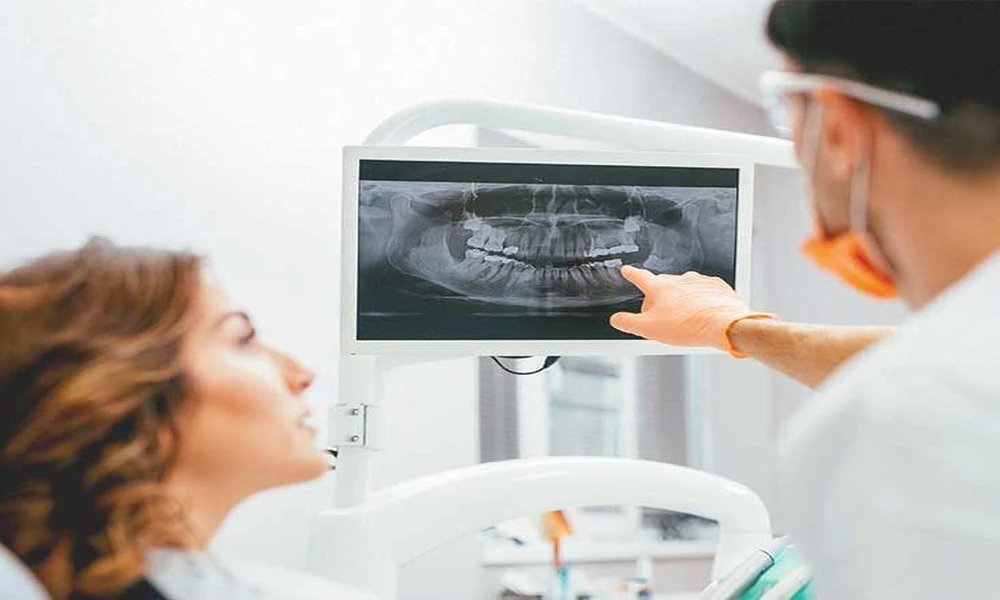
You might be sitting in the dental chair, bib clipped on, already bracing yourself for the cleaning, when your dentist near Sterling Heights, MI mentions that you are due for X rays. Your mind jumps straight to radiation, cost, and that quiet worry that you might hear bad news about a hidden problem. You are not alone in that moment. Many people feel uneasy when they hear the word “X ray.”
At the same time, a small part of you probably wants answers. You want to know if there is anything serious going on beneath the surface. You want to avoid pain, surprise bills, and rushed treatment later. That is exactly where dental X rays come in. They are not just “extra pictures.” They are one of the main tools your general and restorative dentist uses to see what your eyes and a mirror cannot.
So where does that leave you. In simple terms, dental X rays help find problems early, guide treatment with accuracy, and often save you time, money, and discomfort in the long run. When used wisely and according to safety guidelines, the benefits greatly outweigh the small risks. The rest of this page walks you through why X rays matter, what they actually show, how often they are usually needed, and how to decide what makes sense for you.
Why do dental X rays matter when your teeth “seem fine”?
It can feel confusing. Your teeth do not hurt, you brush and floss, and your dentist says everything “looks good,” yet you are told that you still need radiographs. You might wonder if it is really necessary or if it is just one more thing to pay for.
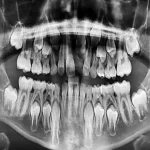
The tricky part is that many dental problems start quietly inside the tooth, between teeth, or under the gums. These are places neither you nor your dentist can fully see during a routine exam. X rays allow your general dentist to spot small cavities between teeth, early signs of bone loss from gum disease, infections at the root, and even cysts or tumors in the jaw before you feel them.
Because of this hidden nature, you can feel fine while a problem slowly grows. By the time you feel pain, the damage may be advanced. A small cavity that could have been fixed with a simple filling might turn into a root canal or even an extraction. That is why the American Dental Association explains that dental X rays are an important part of safe, effective care when used based on your individual needs.
What could go wrong if you avoid dental X rays altogether?
Think about a “what if” scenario for a moment. Imagine you skip X rays for several years because you are worried about radiation or cost. Your teeth feel fine, and you get quick cleanings, so it feels like a smart decision.
Then one day, you wake up with sharp pain in a back tooth. The pain gets worse, you cannot sleep, and you finally rush in for an emergency visit. The X ray taken that day shows a large cavity that has reached the nerve, and an infection has started at the root. You now need either a root canal and crown or the tooth removed. The bill is far higher than the cost of several small fillings would have been over the years.
That is the emotional and financial side of skipping X rays. Problems that could have been handled gently and affordably can turn into urgent, more complex treatment. This is part of why your general and restorative dentist keeps recommending them. The goal is not to find things to fix. The goal is to catch issues while they are easy to treat or even prevent them from worsening at all.
So how do you balance that with the very real concern about radiation exposure. Modern dental X rays use very low doses, and digital systems reduce that dose even more. The U.S. Food and Drug Administration, together with the ADA, has clear guidance about choosing X rays only when needed. You can see that in their joint recommendations on the selection of dental radiographic examinations.
How often should you really have X rays taken?
Because every mouth and medical history is different, there is no single schedule that fits everyone. Instead, dentists use professional guidelines and your personal risk factors to decide when X rays make sense. Factors include your age, your cavity risk, any history of gum disease, past restorative work, and whether you have symptoms.
The ADA and FDA have a joint guideline document for dental radiographic examinations. It explains how dentists can use your individual risk to decide if you need X rays every year, every few years, or only when something changes. A child with many previous cavities, for example, will need them more often than an adult with very low risk and no symptoms.
It is perfectly reasonable to ask your dentist which specific images are being recommended and why. A good general dentist will welcome that question and explain how each image helps protect your health.
What are the benefits and risks of dental X rays in everyday terms?
To make this more concrete, it helps to compare the main benefits and the main concerns side by side. This can make your decision feel more grounded and less emotional.
| Aspect | Benefits of Dental X Rays | Potential Concerns |
|---|---|---|
| Detection of problems | Finds decay, infections, bone loss, and cracks that cannot be seen during a visual exam. | Without images, issues may remain hidden until they are advanced and painful. |
| Impact on treatment | Helps your dentist plan fillings, root canals, implants, and other care accurately. | Lack of X rays can lead to less precise treatment and unexpected complications. |
| Cost over time | Early detection usually means simpler, less expensive treatment. | Delays can lead to more complex care, higher costs, and lost time from work or family. |
| Radiation exposure | Modern digital X rays use very low doses, often a fraction of everyday background radiation. | Radiation is not zero, so images should be taken only when they provide clear benefit. |
| Peace of mind | Provides reassurance that there are no hidden problems or confirms issues early. | Without images, lingering doubt or fear of “what if” can remain. |
When you see it this way, dental radiographs in general dentistry become less of a mystery and more of a thoughtful choice. Used wisely, they are a safety net rather than just another step in the visit.
How can you make smart, confident choices about dental X rays?
You may still feel caught between wanting to protect yourself from radiation and wanting to avoid painful surprises. That tension is understandable. The good news is that you do not have to choose blindly. There are clear, practical steps you can take to feel more in control.
1. Ask your dentist to explain the purpose of each recommended X ray
Before you agree, simply say something like, “Can you tell me which X rays you are recommending today and what you are looking for.” A thoughtful general dentistry provider will be able to connect each type of image to a specific concern, such as checking for decay between back teeth, monitoring bone levels, or assessing an old root canal.
When you understand the “why,” it becomes easier to weigh the benefits against your worries. If the reason is not clear, it is fair to ask if the image can be postponed or limited.
2. Share your full health history and your risk factors honestly
Your personal risk matters. Tell your dentist if you have had many cavities, gum problems, dry mouth, or medical conditions that affect your teeth. On the other hand, if you have had years of checkups with no issues, mention that as well.
This information helps your dentist tailor the X ray schedule to you instead of using a “one size fits all” approach. For some people, that might mean images every year. For others, it could be much less frequent, especially if there are no symptoms or visible concerns.
3. Talk openly about your concerns with radiation and cost
It is completely reasonable to say that you are worried about radiation, or that you are watching your budget. A caring general and restorative dentist will not dismiss that. They can explain how low the dose is, what protective measures are used, and whether some images can be spaced out.
You can ask about digital X rays, which typically use less radiation than traditional film. You can also request an estimate of costs before images are taken so you are not surprised at checkout. When you bring these concerns into the open, your dentist can work with you instead of around you.
Finding peace of mind with the importance of dental X rays
You might still feel a little uneasy about X rays, and that is okay. What matters is that you now understand why they are recommended, what they can prevent, and how to keep them aligned with your own values and comfort level.
The importance of dental X rays in general dentistry comes down to this. They help your dentist see the full picture, treat problems early, and protect you from painful surprises. When used thoughtfully, following trusted guidelines, they support your health instead of threatening it.
You deserve care that respects both your safety and your peace of mind. At your next visit, use what you have learned here to start a calm, honest conversation with your dentist about which X rays you truly need and why. That simple step can turn a source of stress into a shared plan that feels clear and steady for you.