You might be doing what many people do, putting off one kind of dental care because the other seems more urgent. Maybe you want whiter, straighter, more even teeth, but you also know you are overdue for a cleaning or exam with a dentist near Novi, MI. Or maybe you have focused on fixing problems for years and now wonder if a better looking smile is even worth the effort. That push and pull is common, and it can leave you feeling stuck.
The good news is that you usually do not have to choose between health and appearance. In many cases, the two support each other. When you understand how cosmetic improvements and prevention fit together, it becomes easier to protect your teeth, avoid bigger problems, and feel more at ease when you smile. That is the heart of 6 Ways Cosmetic And Preventive Care Work Together To Strengthen Smiles, and it matters whether you are thinking about whitening, bonding, veneers, or simply trying to stay ahead of decay and gum trouble.
Why do cosmetic treatments and preventive habits belong in the same plan?
It is easy to think of cosmetic dentistry as optional and preventive care as the real work. But that split misses something important. If your teeth and gums are not healthy, cosmetic results may not last. And if you improve the look of your smile, you may feel more motivated to protect it with better daily habits and regular visits.
So, how do they work together in real life? First, preventive visits often catch issues that would interfere with cosmetic treatment, such as gum inflammation, enamel wear, or small cavities. Second, cosmetic care can correct chips, spacing, and worn edges that make teeth harder to clean or more likely to suffer damage. Third, both approaches build on the same base, which is strong enamel, healthy gums, and steady follow through.
This is why many people see the best results when a general and cosmetic dentist looks at the full picture instead of treating one concern at a time.
What are the 6 ways cosmetic and preventive care strengthen smiles together?
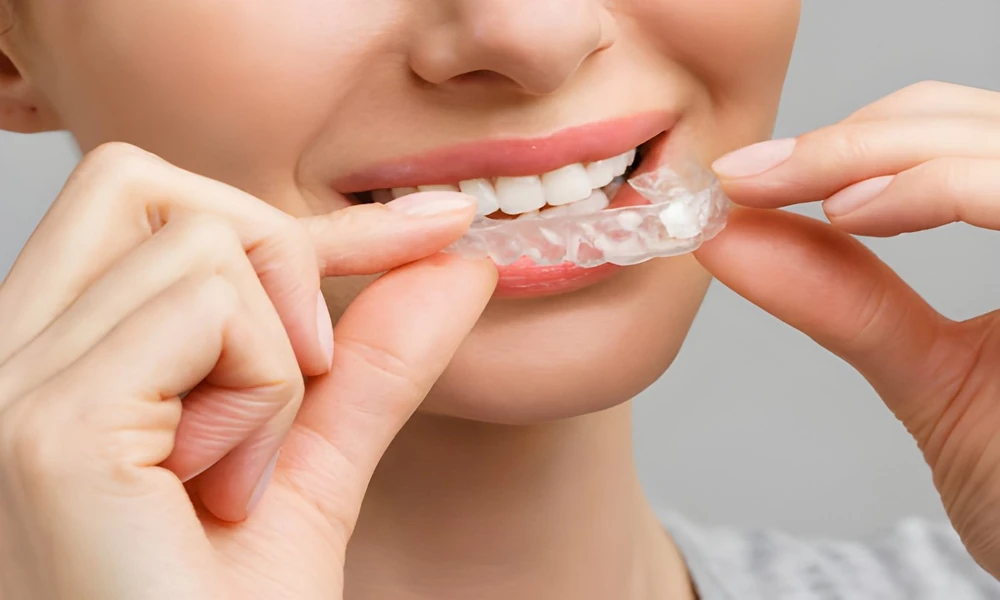
1. Cleanings create a healthy base for cosmetic work. A professional cleaning removes plaque and tartar that brushing misses. That matters before whitening, bonding, or veneers because healthier teeth and gums respond better, look better, and are easier to evaluate.
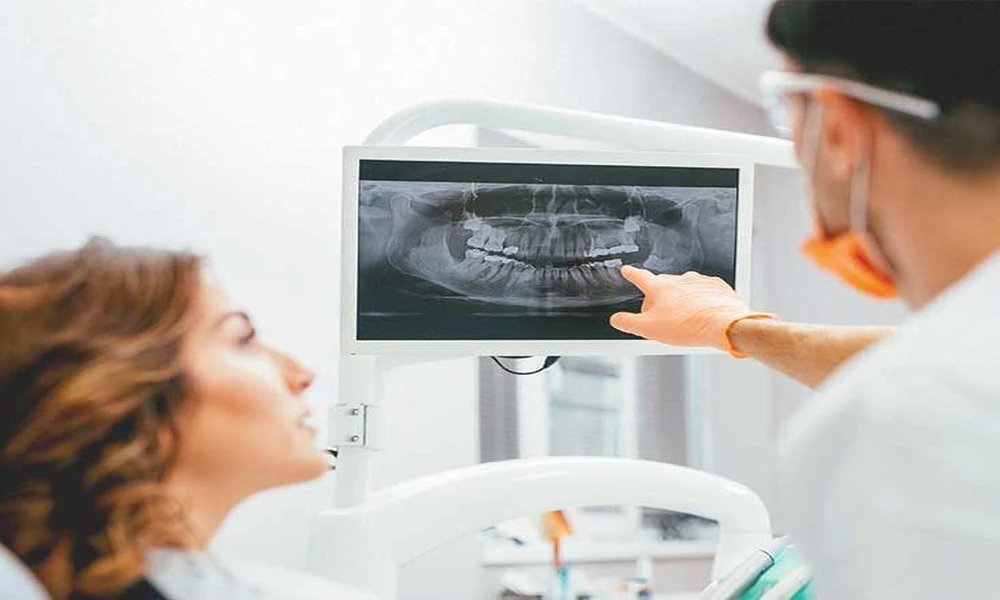
2. Exams can uncover hidden problems before appearance changes begin. A tooth may look like it only needs a cosmetic fix, but pain, decay, cracks, or gum disease can be sitting underneath. Treating those issues first helps you avoid paying for work that may need to be redone later.
3. Cosmetic repairs can protect weak or damaged teeth. Bonding or reshaping may improve the look of a chipped tooth, but it can also smooth rough spots that collect plaque or lead to further wear. In that way, smile improvement and tooth protection often overlap.
4. Straighter teeth are often easier to keep clean. When teeth overlap or crowd, flossing can feel frustrating and less effective. Correcting alignment, even in modest ways, may reduce areas where plaque builds up. That can support gum health over time.
5. Better aesthetics can improve daily habits. This may sound simple, but it is real. When you feel proud of your smile, you are often more likely to brush well, floss consistently, and keep follow up visits. Confidence can lead to better care.
6. Prevention helps cosmetic results last longer. Whitening fades faster when daily habits work against it. Veneers and bonding can also suffer when grinding, decay, or gum disease go unchecked. Routine care protects the time and money you put into your smile.
What can happen if you focus on one and ignore the other?
If you only chase appearance, you may end up covering problems instead of solving them. A brighter smile will not stop gum disease, and a smooth repair will not help much if decay keeps spreading around it. On the other hand, if you only focus on prevention but ignore damage that affects your bite, confidence, or cleaning routine, you may miss a chance to improve both comfort and long term health.
Because of this tension, you might wonder what a balanced plan looks like. It often starts with the basics supported by trusted public health guidance. The CDC’s oral health tips for adults stress brushing with fluoride toothpaste, cleaning between teeth, limiting tobacco use, and seeing a dental professional regularly. The MedlinePlus dental health resource also explains how prevention lowers the risk of decay, gum disease, and tooth loss. Those habits do more than protect your mouth. They also help cosmetic work look better and last longer.
Which approach gives you more value over time?
When you compare short term fixes with coordinated care, the difference becomes clearer. A balanced plan often costs less over time because it lowers the chance of repeat treatment, emergency visits, and avoidable damage.
| Approach | Short Term Result | Long Term Impact | Common Risk |
|---|---|---|---|
| Cosmetic care without prevention | Faster appearance change | Results may fade or fail sooner | Hidden decay or gum issues can worsen |
| Prevention without addressing visible damage | Health may stay stable | Function and confidence may still suffer | Chips, wear, or crowding may keep causing trouble |
| Preventive and cosmetic dentistry together | Health and appearance improve in sync | Stronger support for lasting results | Requires planning and follow through |
What can you do right now to protect and improve your smile?
Start with a full evaluation. Before choosing whitening or other cosmetic changes, ask for a complete exam and cleaning. That gives you a clear picture of gum health, enamel condition, bite concerns, and any hidden treatment needs.
Ask what will make results last. If you are considering cosmetic dentistry services, ask which daily habits, products, and follow up visits matter most. A good plan should include home care, not just office treatment.
Think in phases, not all at once. You do not have to fix everything in one visit. Many people do best with a step by step plan that handles health first, then appearance, while keeping cost and comfort in mind.
How can you move forward without feeling overwhelmed?
You do not need a perfect smile to take the next step, and you do not need to have every answer before you ask for help. What matters is seeing your smile as something worth protecting and improving at the same time. A thoughtful plan from a general and cosmetic dentist can help you avoid bigger problems, support your confidence, and keep your teeth healthier for longer.
If you have been trying to decide between cosmetic changes and prevention, it may be time to stop treating them like separate goals. They often work best together, and your smile is stronger when they do.