Key Takeaways
- Ultherapy laser and HIFU are commonly used for non-surgical skin tightening in selected treatment areas.
- Different parts of the face and body may respond differently depending on skin laxity and individual anatomy.
- Treatment suitability depends on factors such as age, skin condition, and treatment goals.
- A consultation helps determine which areas may benefit from ultrasound-based skin tightening.
Introduction
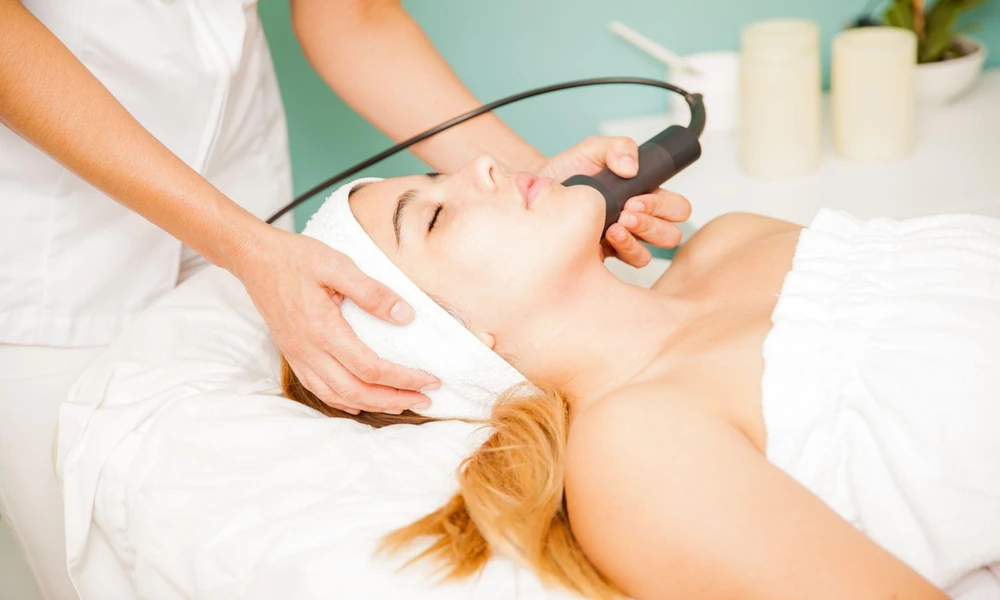
As collagen production declines with age, skin gradually loses firmness in both the face and body. This can result in sagging around the brows, jawline, neck, or other areas where skin elasticity has reduced. Ultherapy laser and HIFU (high intensity focused ultrasound) in Singapore are commonly discussed as non-surgical options that use focused ultrasound energy to target deeper tissue layers associated with skin support. While both approaches share similar treatment principles, the areas that can be treated vary according to the device used, skin condition, and clinical assessment. Understanding the commonly treated areas helps individuals set realistic expectations before considering treatment.
Brow and Forehead
The brow and forehead are among the most frequently treated facial regions. Age-related skin laxity can cause the eyebrows to appear lower, contributing to a heavier appearance around the upper face. Ultrasound-based treatments aim to deliver energy beneath the skin without affecting its surface, stimulating the body’s natural collagen production over time. Improvements in skin firmness may create a subtle lifting effect around the brow region rather than dramatically altering facial structure. Treatment planning also considers forehead anatomy to ensure energy is delivered safely and appropriately.
Cheeks, Jawline, and Chin
The mid and lower face are common concerns as collagen loss progresses. Reduced skin support around the cheeks can contribute to flattening of facial contours, while laxity along the jawline may reduce definition. The area beneath the chin may also develop mild sagging. Ultherapy laser is often considered for these regions because ultrasound energy can reach deeper tissue layers that contribute to facial support. Treatment goals generally focus on improving skin firmness rather than replacing surgical lifting procedures. Individual outcomes vary depending on the degree of laxity and overall skin quality.
Neck and Décolletage
The neck and décolletage frequently show visible signs of ageing due to thinner skin and continuous movement. Fine lines, creases, and mild skin laxity commonly develop in these areas over time. Ultrasound-based treatments may be used to stimulate collagen production beneath the skin, supporting gradual tightening where appropriate. The neck often requires careful treatment planning because of its anatomical structures, while the décolletage may require different treatment parameters depending on skin thickness and sun-related changes. These areas are often evaluated alongside the face to achieve balanced results.
Selected Areas of the Body
Although facial treatments receive the most attention, certain ultrasound devices are also used on selected body areas where mild skin laxity is present. Depending on the approved indications of the device and the clinical assessment, treatment may be considered for areas such as the upper arms, abdomen, thighs, knees, or buttocks. These body treatments are generally intended to address skin firmness rather than remove excess fat or produce significant body contour changes. Not every device is suitable for every body area, making proper assessment an important part of treatment planning.
Choosing the Appropriate Treatment Area
Not every area of concern is suitable for ultrasound-based skin tightening. The degree of skin laxity, thickness of the tissue, previous aesthetic procedures, and individual expectations all influence treatment recommendations. When discussing HIFU, practitioners typically assess whether the concern involves mild to moderate skin laxity or whether another treatment approach may be more appropriate. In some cases, multiple areas may be treated during the same session, while others may require separate appointments depending on the treatment plan and the extent of the areas involved.
Conclusion
Ultherapy laser and HIFU are commonly used to address skin laxity in several areas of the face and selected parts of the body. Frequently treated regions include the brow, cheeks, jawline, chin, neck, décolletage, and certain body areas where mild skin laxity is present. The choice of treatment area depends on individual anatomy, skin condition, and treatment objectives. A comprehensive clinical assessment helps determine whether ultrasound-based skin tightening is appropriate and which areas are likely to benefit based on realistic treatment expectations.
Interested in learning whether Ultherapy laser or HIFU is suitable for your concerns? Connect with Halley Medical Aesthetics today.